
How the underbanked can benefit from the digital transformation of remittance market
- Jun 25, 2021
- 8 min read
Updated: Mar 27, 2023

History of the digitalization in remittance
The remittance industry has a long history, dating back to ancient times when people would transfer money and goods over long distances through various means, including letters, messengers, and trade caravans. However, the industry began to take on its modern form in the 1950s with the introduction of paper-based transfers, such as money orders and bank drafts.
1950s to 1970s

These early forms of remittance transfers were slow and expensive, often requiring physical delivery of funds, which could take days or even weeks to complete. They were also vulnerable to loss or theft, and the process was often complicated by language barriers, different currencies, and banking systems.
In the early days of the remittance industry, money transfers were done through paper-based methods such as money orders, bank drafts, and checks. These transfers were slow, often taking several days to complete, and expensive, with high transaction fees and exchange rates. Additionally, these transfers required physical delivery of funds, which meant that they were often inconvenient for both senders and recipients. Despite these limitations, paper-based transfers remained the dominant method of sending money across borders for several decades.

During this period, paper-based transfers such as money orders and bank drafts were the primary means of sending money across borders. For instance, in the United States, the Western Union Company was one of the largest providers of money transfer services, offering paper-based transfers through its extensive network of agents and offices.
1980s to 1990s
The introduction of electronic fund transfers (EFTs) in the 1980s marked a significant milestone in the digitalization of the remittance industry. For example, the Society for Worldwide Interbank Financial Telecommunication (SWIFT) was founded in 1973 and enabled banks to send and receive electronic payments and messages securely and efficiently. This significantly reduced the time and cost of transferring funds across borders.

EFTs allowed funds to be transferred electronically between banks, reducing the time and cost of transfers. This made remittance services more accessible and affordable to a wider range of people. EFTs were also more secure than paper-based transfers since they reduced the risk of fraud and theft. However, EFTs were still limited by the fact that they were only available to bank customers and required a physical bank account to send or receive funds.
1990s to 2000s

The widespread adoption of the internet in the 1990s and 2000s further transformed the remittance industry, paving the way for online money transfers. For instance, PayPal was founded in 1998 and quickly became a popular way to transfer money online, particularly for e-commerce transactions. Other companies such as Xoom and TransferWise emerged in the early 2000s and offered online money transfer services to customers around the world.
This allowed customers to initiate transfers online, and for funds to be deposited directly into bank accounts or mobile wallets. Online transfers were faster, more convenient, and more secure than traditional paper-based transfers. Online money transfer services were initially limited to developed countries, but as internet access expanded globally, online money transfer services became increasingly popular in developing countries as well.
2000s to present

The rise of mobile technology has been a major driver of the digitalization of the remittance industry in recent years. Mobile money transfers, which allow funds to be sent and received using mobile phones, have become increasingly popular, particularly in developing countries where traditional banking services may be limited.
For example, M-Pesa was launched in Kenya in 2007 and quickly became a popular way to transfer money using mobile phones. M-Pesa has since expanded to other countries in Africa and Asia, and today, it has over 40 million active users worldwide. Other mobile money transfer providers include WorldRemit, Remitly, and Azimo.
Mobile money transfers are convenient and accessible, and they have helped to increase financial inclusion among underserved populations. In addition to mobile money transfers, other digital payment methods such as digital wallets, prepaid cards, and online payment platforms have also emerged.
Emergence of Fintechs
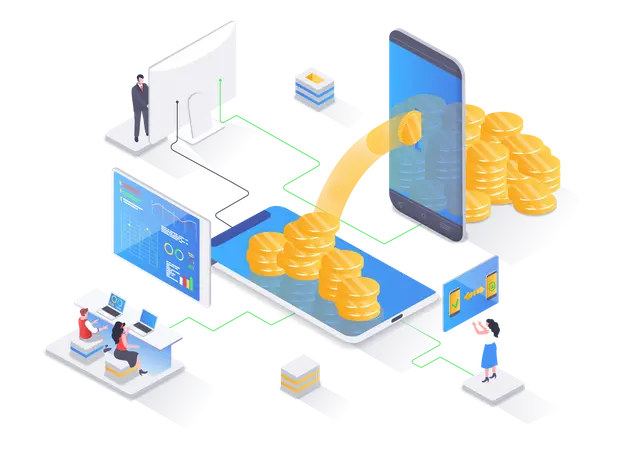
The last decade has seen a significant disruption in the remittance industry by fintechs leveraging digital technology and innovation to create more affordable, efficient, and convenient remittance services. Fintechs use digital platforms, artificial intelligence, and blockchain technology to reduce fees, increase transaction speeds, and improve the security and transparency of remittance transfers.
For example, TransferWise uses peer-to-peer technology to enable customers to transfer money at low cost and with greater transparency. Another example is Ripple, which uses blockchain technology to enable instant cross-border payments at low cost. Fintechs like Revolut and N26 have also disrupted the traditional banking industry by offering digital banking services and low-cost foreign exchange services. These companies leverage digital technology and innovation to create more affordable, efficient, and convenient remittance services.
Fintechs use digital platforms, artificial intelligence and blockchain technology to reduce fees, increase transaction speeds and improve the security and transparency of remittance transfers. Fintechs have also expanded the range of services offered to customers, including currency exchange, bill payment, and investment services. As a result, traditional remittance providers are facing increased competition from fintechs, which has led to greater innovation and improved services for consumers.
Benefits for the underbanked from the digitalized remittance service

The remittance market is a crucial aspect of the global economy, as it involves the transfer of funds from migrants to their families in their home countries. Remittances are particularly important for low-income families, as they often rely on these funds for basic needs like food, housing, and education. However, many families in low-income countries face high fees and limited options when it comes to receiving remittances.
The underbanked population refers to individuals who have limited access to traditional financial services, such as banking, credit cards, and loans. These individuals may not have a bank account or may be unable to access credit due to a lack of credit history or low credit scores. Here are some ways in which the underbanked can benefit from choice in the remittance market in terms of financial inclusion:
Increased access to formal financial services

Many families in low-income countries do not have access to formal financial services, such as banks, due to various reasons like lack of documentation or living in remote areas. Many poor families rely on informal financial services, such as moneylenders or loan sharks, which can charge high interest rates and lead to debt traps.
However, with more providers offering a variety of transfer options, families can choose the most convenient option for their needs, including mobile money and other digital financial services. This can provide them with access to formal financial services, which they may not have had before. With access to formal financial services, poor families can avoid these high costs and instead use more affordable financial products, such as savings accounts and loans.
The remittance market provides alternative financial services that the underbanked can access, such as mobile money transfers and cash pickups at local shops. These services can help the underbanked to access financial services that they may not have been able to access through traditional channels.
Digital remittance providers often use advanced security measures, such as two-factor authentication and encryption, to protect customer data and prevent fraud. This can provide the underbanked population with a greater sense of security when using digital financial services.
Lower costs

Source: Remittance Prices World Wide - Issue 43, September 2022
When there are more options available for sending and receiving remittances, competition among providers can drive down fees. This means that more of the money sent by migrants can be received by their families, rather than being lost to high transfer fees.
Digital remittance providers can often offer lower fees and better exchange rates than traditional providers. This can benefit the underbanked, who may be more sensitive to high fees and poor exchange rates than traditional bank customers.
In addition to high fees, some remittance providers offer poor exchange rates, meaning that families receive less money than they should. With more providers to choose from, families can shop around for the best exchange rates, ensuring that they receive the most money possible.
With more providers to choose from, the remittance market can become more competitive, which can lead to lower fees and better exchange rates. This can benefit the underbanked, who may be more sensitive to high fees and poor exchange rates than traditional bank customers.
Greater convenience

Many underbanked individuals may not have access to traditional banking services due to living in remote areas or having limited mobility. Many families in low-income countries do not have access to banks or other formal financial institutions, which can make it difficult to receive remittances. However, with more providers offering a variety of transfer options, such as mobile money or cash pickups at local shops, families can choose the most convenient option for their needs.
With more providers offering a variety of transfer options, such as mobile money or cash pickups at local shops, the underbanked can choose the most convenient option for their needs. Digital remittance providers offer a range of transfer options, such as online and mobile transfers, which can be more convenient for the underbanked population. This is particularly beneficial for those living in remote areas or those with limited mobility.
Digital remittance providers often offer a range of digital financial services, such as mobile wallets and digital savings accounts, which can be accessed from anywhere with an internet connection. This can help the underbanked to access formal financial services that they may not have been able to access through traditional channels.
More options for savings and investments

For many poor families, remittances represent a significant source of income that can help them meet their basic needs and improve their quality of life. However, without access to formal financial services, these families may struggle to manage their remittance funds effectively.
By providing more options for savings and investments, access to formal financial services can help poor families make the most of their remittance income. Savings accounts and other financial products can provide a safe and secure place for families to store their remittance funds, while also earning interest and building assets over time.
In addition to saving, access to formal financial services can also help families invest their remittance funds in productive ways, such as starting a small business or purchasing property. This can help families increase their income and build wealth over the long term.
Moreover, formal financial services can also help protect families against unexpected events like illness or natural disasters. With savings and insurance products, families can prepare for emergencies and mitigate the financial impact of unexpected events.
Digital remittance providers also often offer a range of digital financial services, such as mobile wallets and digital savings accounts, which can be accessed from anywhere with an internet connection. This can help the underbanked to access formal financial services that they may not have been able to access through traditional channels.
In this regard, by providing more options for savings and investments, access to formal financial services can help poor families make the most of their remittance income, build assets and wealth, and protect themselves against unexpected events. This can contribute to greater financial inclusion and economic empowerment for poor communities around the world.
With access to formal financial services, poor families can save and invest their remittance funds. This can help them to build assets, plan for the future, and protect themselves against unexpected events like illness or natural disasters.
Increased financial literacy

Digital remittance providers have the potential to play an important role in increasing financial literacy among the underbanked population. Many people who lack access to formal financial services may also lack knowledge and skills related to financial management, including budgeting, saving, and investing.
By using digital platforms to transfer money, individuals can become more familiar with digital financial services and how to use them effectively. For example, digital remittance providers may offer tools and resources to help users manage their finances, such as budgeting apps, savings calculators, or educational content on financial topics.
In addition, digital remittance providers can help to increase transparency and trust in financial transactions. By providing detailed information about fees, exchange rates, and transaction times, digital remittance providers can help users make informed decisions about how to transfer and manage their money. This can help to build confidence and trust in the financial system, particularly among individuals who may be wary of using traditional banking services.
In this aspect, by promoting financial literacy and increasing transparency in financial transactions, digital remittance providers can help to empower the underbanked population and promote greater financial inclusion. This can contribute to broader economic development and poverty reduction efforts, as individuals and communities gain access to the tools and resources they need to manage their finances more effectively.


Comments